
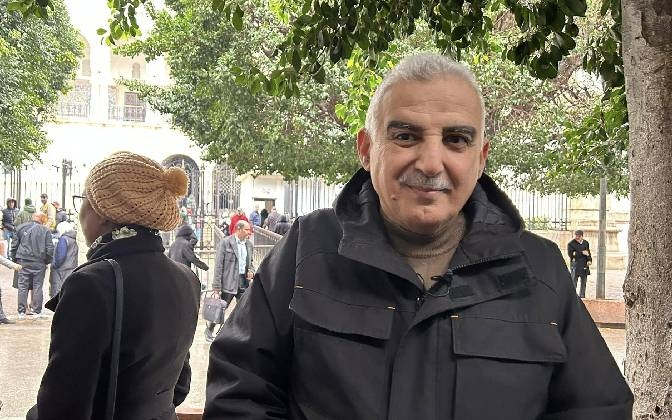
The Indictment Chamber of the Court of Appeal in Tunis issued on Wednesday, June 10, 2026, a new arrest warrant against journalist Ziad El Hani and three other defendants, all former members of the special delegation that governed the municipality of Carthage. The case centers on corruption allegations involving the sale of a plot of land in the Carthage area to a private buyer at a price deemed well below its actual market value.
The Charges
According to a well-informed source, the charges brought against the four defendants include “exploitation of public office to obtain an unjustified benefit for oneself or others, causing harm to public administration, violation of applicable regulations, as well as fraud and use of fraudulent documents.” The charges fall squarely within the scope of criminal law governing corruption in the management of public assets.
The case originates from a complaint filed in December 2022 by an association dedicated to the protection of the archaeological and cultural heritage of Carthage. The association alleged the existence of corruption in the transfer of a land parcel in the Carthage area to a private individual at a price bearing no relation to the property’s real value, and without prior consultation with state property appraisers. Experts subsequently appointed by the court confirmed a significant gap between the price recorded in the sale deed and the actual market value of the property at the time of the transaction — a discrepancy that, according to the complaint, caused substantial financial damage to the municipality. A specialized security unit was tasked with enforcing the arrest warrants against the four defendants.
Two Cases, One Journalist
This is not the only legal battle Ziad El Hani is currently fighting. The journalist was previously convicted in a separate case under Article 86 of the Telecommunications Code, which criminalizes harm to others through public communication networks, after publishing an online post that referenced information related to a judicial case. He appealed the one-year prison sentence, and the Tunis Court of Appeal has scheduled a hearing for June 12, 2026.
Two distinct proceedings, two different legal frameworks — one rooted in the management of public property, the other in digital expression — are now running simultaneously against the same individual.
Context: Special Delegations and Article 86
The case against El Hani in the Carthage affair reflects a broader legal grey zone surrounding Tunisia’s special delegations — appointed bodies that replaced elected municipal councils following their dissolution after July 2021. Decisions made by these structures are increasingly being revisited through judicial channels, exposing their former members to retrospective legal liability, regardless of their professional background.
Article 86 of the Telecommunications Code, meanwhile, has been applied in a growing number of cases targeting journalists and online commentators in Tunisia. International press freedom organizations, including Reporters Without Borders (RSF) and the Committee to Protect Journalists (CPJ), have repeatedly criticized the provision for its broad and loosely defined scope, calling for its revision or repeal.
With the June 12 appeals hearing in the first case just days away, and a new arrest warrant now added to the picture, the legal fate of Ziad El Hani remains suspended — pending judicial decisions that are still far from settled.